Understanding Laminated Veneer Lumber
Laminated Veneer Lumber (LVL) beams are a remarkable innovation in the construction industry. Engineered to be stronger and more reliable than traditional lumber, LVL beams have become a staple in modern building projects. This article delves into what LVL beams are, their applications, advantages over traditional timber, and why they are preferred by builders.
What is a LVL Beam?
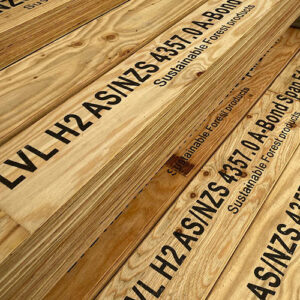
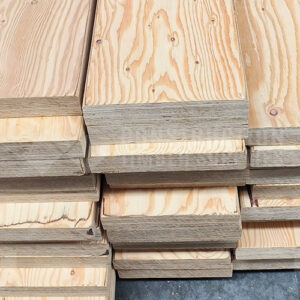
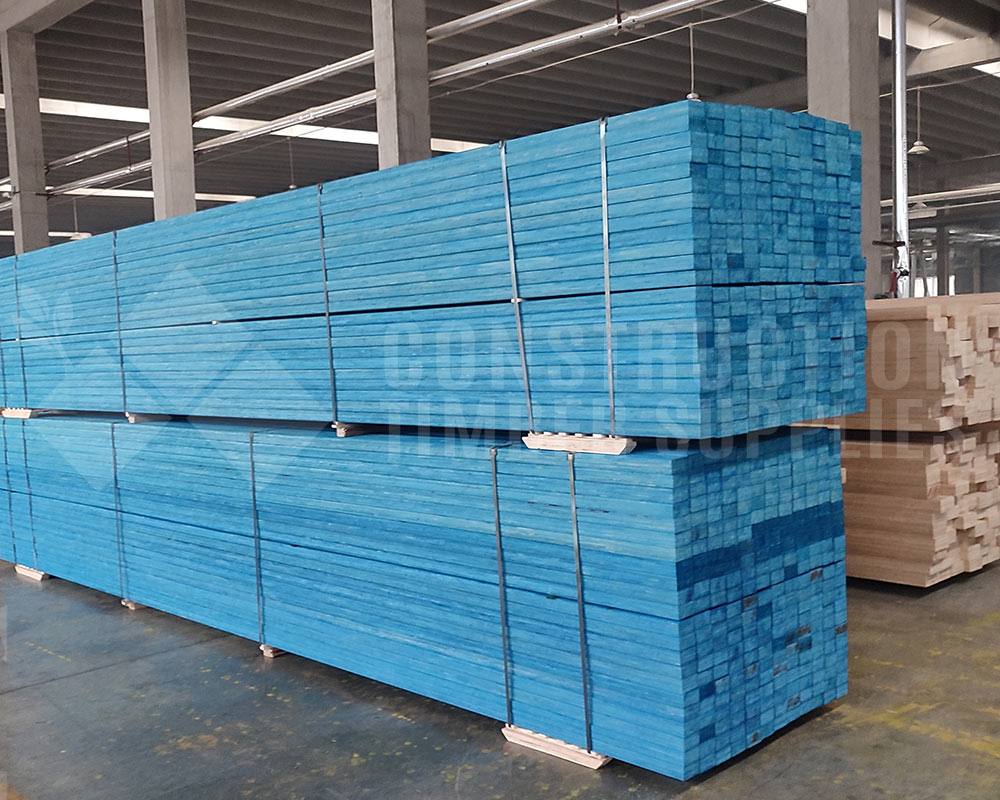
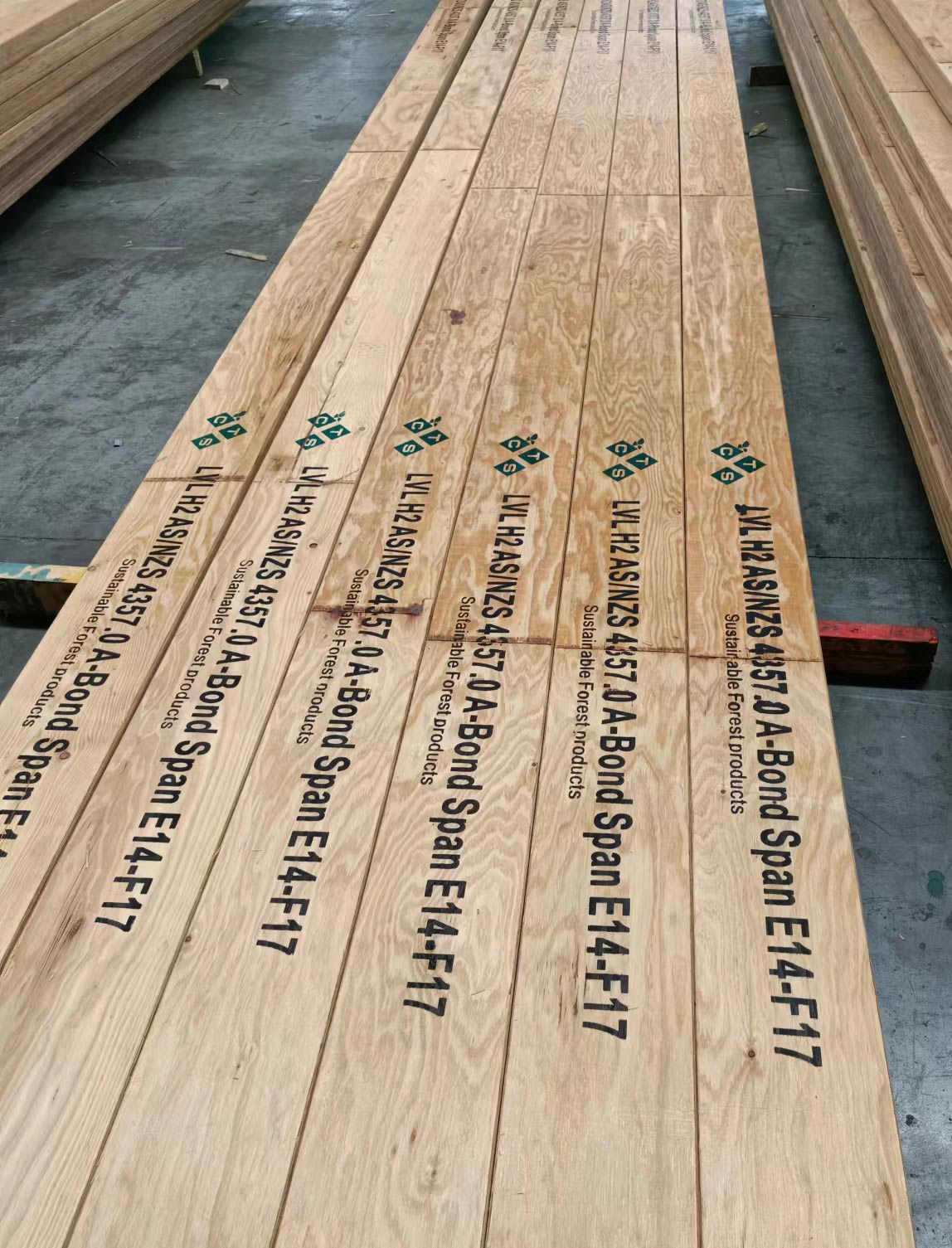
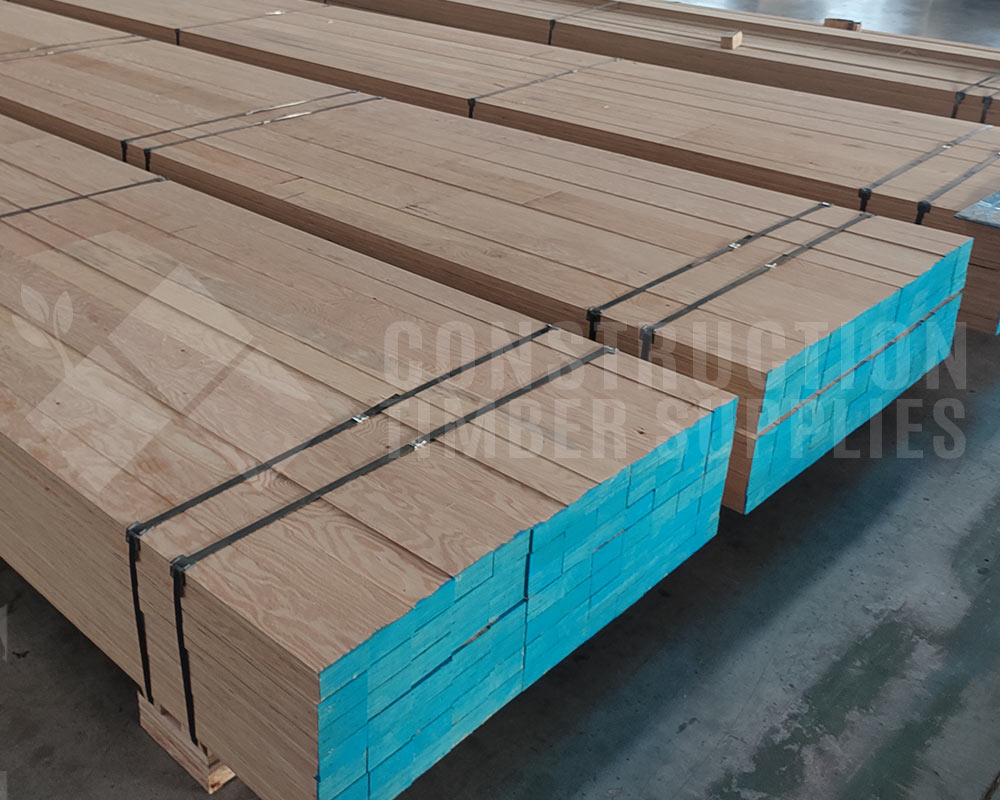
LVL beams are manufactured by bonding multiple thin layers of wood veneers together with strong adhesives. These veneers are aligned with the grain running in the same direction, resulting in a beam that has uniform strength and stiffness. This process significantly enhances the structural properties of the wood, making LVL beams much stronger than their traditional counterparts.
How are LVL Beams Made?
1. Veneer Production: Thin sheets of wood (veneers) are produced using a rotary peeling technique. These veneers typically have a thickness of 2.5 mm to 4.8 mm.
2. Drying: The veneers are dried to the desired moisture content using specialized dryers, ensuring uniformity.
3. Assembly: The dried veneers are coated with adhesives and then stacked with the grain of each layer running parallel.
4. Pressing: The stack is pressed under high heat and pressure to form a solid, stable beam.
5. Cutting: The resulting LVL is cut to the required dimensions for various applications.
Where are LVL Beams Used?
LVL beams are incredibly versatile and can be used in a variety of structural applications, including:
• Floor Joists: Providing a strong foundation for floors.
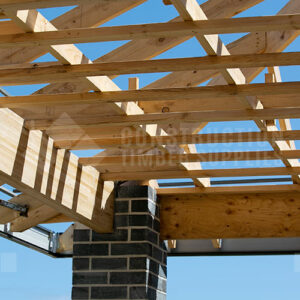
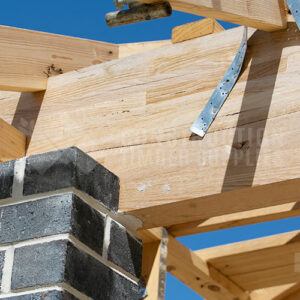
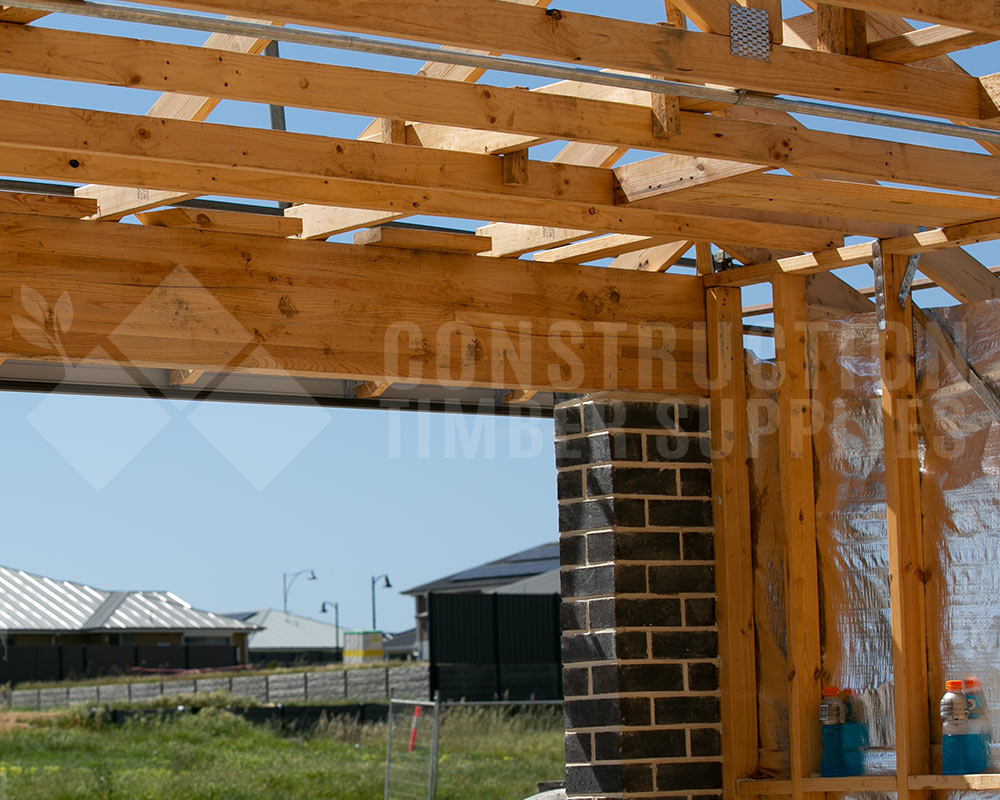
• Roof Supports: Used as rafters and beams in roofing due to their strength over long spans.
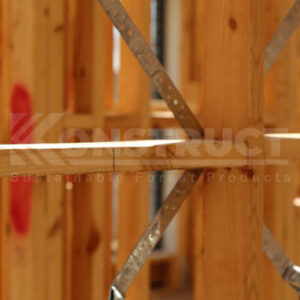
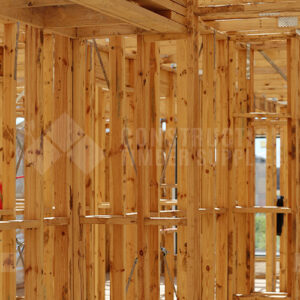
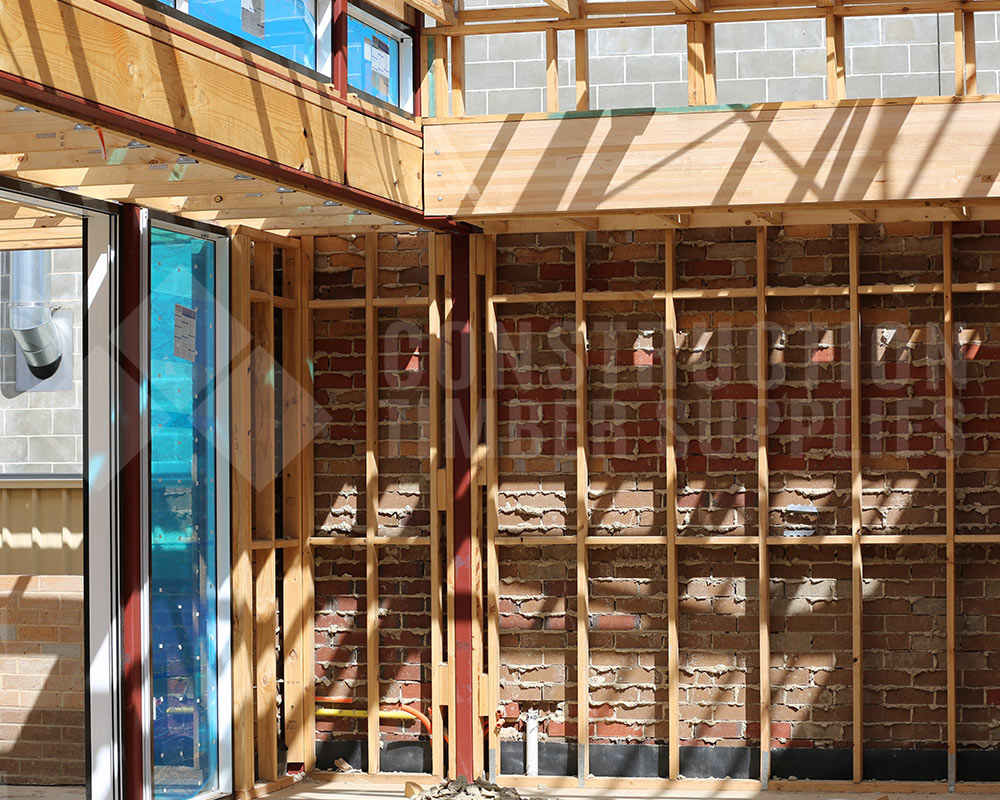
• Wall Studs: Ensuring straight, stable walls.
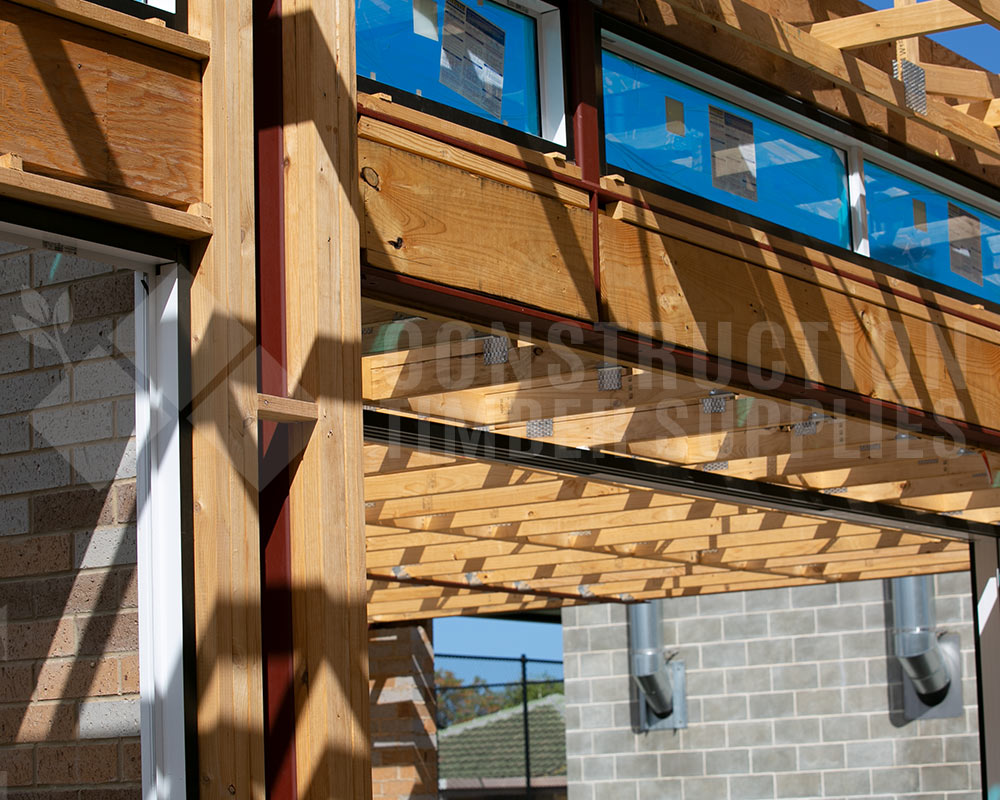
• Headers and Beams: Offering superior support over doors and windows.
• Bridges and Walkways: Employed in civil engineering projects for their load-bearing capacity.
Why Do Builders Prefer LVL Beams Over Traditional Timber?
Superior Strength and Stability
• High Strength: The uniform grain orientation and elimination of natural defects like knots and splits make LVL beams significantly stronger than traditional timber.
• Dimensional Stability: LVL beams are less likely to warp, twist, or shrink, ensuring long-term stability in structures.
Consistent Quality
• Uniform Manufacturing: LVL beams are produced under controlled conditions, resulting in consistent quality and predictable performance.
• Reliability: This consistency allows for precise engineering calculations and reduces the risk of structural issues.
Environmental Sustainability
• Efficient Use of Resources: LVL production uses smaller, fast-growing trees and optimizes the use of wood veneers, making it more sustainable.
• Less Waste: The manufacturing process generates less waste compared to traditional timber milling.
Ease of Installation
• Lighter Weight: LVL beams are lighter than steel and easier to handle on-site, reducing labor costs and installation time.
• Precision Fabrication: They can be cut to exact dimensions, simplifying the construction process and minimizing on-site adjustments.
Key Advantages of LVL Beams
• High Strength-to-Weight Ratio: Provides superior strength without excessive weight.
• Dimensional Stability: Resists warping, twisting, and shrinking.
• Versatility: Suitable for various applications, from residential to commercial and infrastructure projects.
• Sustainability: More efficient use of wood resources and reduced environmental impact.
Comparing LVL Beams to Traditional Timber
| Feature | LVL Beams | Traditional Timber |
|---|---|---|
| Strength | Higher and more uniform | Varies with natural defects |
| Stability | Excellent, minimal warping/shrinkage | Prone to warping, twisting, shrinkage |
| Environmental Impact | More sustainable, efficient use of wood | Greater impact, less efficient use |
| Consistency | Manufactured to precise specifications | Variable, dependent on wood quality |
| Ease of Installation | Lighter and easier to handle | Heavier, more labor-intensive |
What Makes Plywood Indispensable?
LVL beams are a groundbreaking advancement in construction materials, offering unparalleled strength, consistency, and sustainability. Their superiority over traditional timber makes them an ideal choice for a wide range of building applications. From residential homes to large infrastructure projects, LVL beams provide reliable performance and long-term durability.
In Brisbane and beyond, builders seeking to enhance the quality and efficiency of their projects increasingly turn to LVL beams. At CTStimber, we supply top-grade LVL beams to meet the diverse needs of the construction industry, ensuring your projects are built on a foundation of strength and stability. Explore our range of LVL beams today and experience the benefits of this innovative material.
– Find out more about CTS’s timber framing
Sustainability and Plywood
Sustainability concerns have brought plywood to the forefront as an eco-friendly option. Plywood production efficiently uses wood, reducing waste by utilising thinner slices of timber compared to traditional lumber. This efficient use of resources, coupled with the durability of plywood, contributes to its sustainability profile, making it a preferred choice in green building practices.
Navigating Plywood Options
Navigating the vast options of plywood available can be daunting. However, understanding the grading system and the specific characteristics of each type, such as moisture resistance or load-bearing capacity, can guide buyers in making informed decisions. For instance, MR (moisture resistant) grade plywood is suitable for indoor use where some moisture exposure may occur, but it is not waterproof. On the other hand, structural plywood is designed to bear heavy loads and is ideal for framing and other critical structural elements.
CTS Timber: A Trusted Plywood Supplier
When it comes to sourcing plywood for construction projects, selecting a reliable supplier is paramount. CTS Timber stands out in the industry, offering a wide range of plywood products tailored to various construction needs. Their commitment to quality and customer service ensures that builders and architects can find the best plywood solutions for their projects, backed by expertise and support.
CTS - The Right Choice
Plywood’s role in construction cannot be overstated. Its versatility, strength, and sustainability make it a material of choice for a wide array of applications. As the industry continues to evolve, the importance of plywood in construction projects is only set to increase, underlining the need for suppliers like CTS Timber who can provide quality materials for the builders of today and tomorrow.